
Reclaimed wood has become an increasingly interesting material for contemporary architecture and interior design. Old floorboards, beams, wall cladding and reclaimed panels can introduce a depth of texture and a sense of history that is difficult to reproduce with newly manufactured timber. At the same time, working with reclaimed wood requires a different approach to material selection than working with new timber.
For architects, the challenge is not simply finding attractive old boards. A professional project requires a supplier who can provide consistent quality, reliable quantities, appropriate processing and dependable delivery. The origin of the timber, its condition, preparation method and intended application should all be considered before the material is specified.
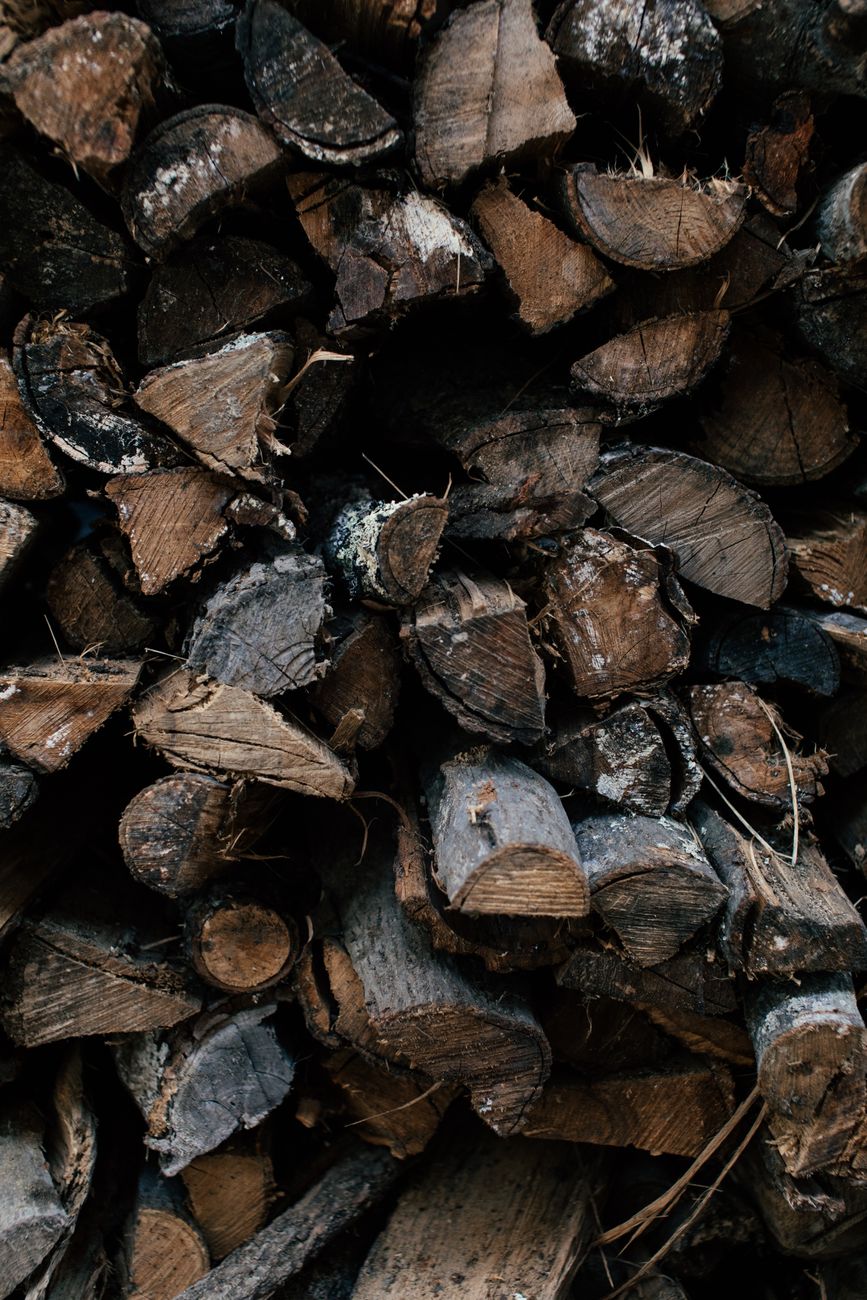
Choosing the right supplier at an early stage can therefore have a significant impact on the final result. This is particularly important for hotels, restaurants, commercial interiors, luxury residential projects and other developments where reclaimed timber forms a visible part of the architectural concept.
One supplier worth considering is Antik-Holz Profis. The Polish company has specialized in reclaimed timber since 2011 and supplies old wood products to professional customers throughout Europe. Its offer is aimed particularly at architects, interior designers, contractors, furniture manufacturers and other specialists looking for distinctive reclaimed materials.
Why Does the Choice of Reclaimed Wood Supplier Matter?
The characteristics of reclaimed timber are fundamentally different from those of newly produced wood. Every board may have its own colour, surface structure, marks, cracks and traces of previous use. These characteristics are often precisely what makes reclaimed wood attractive, but they also make professional sourcing more demanding.
A supplier should therefore understand how to preserve the visual character of old timber while preparing it for a new application. The material needs to be assessed not only from an aesthetic perspective, but also in terms of its condition and suitability for the intended project.
For an architect, this means that the supplier becomes part of the material specification process. A good supplier should be able to discuss available grades, dimensions, finishes, quantities and potential applications before the final material is selected.
Where Does the Reclaimed Wood Come From?
The origin of reclaimed timber is an important consideration when evaluating a supplier. Genuine reclaimed wood comes from existing structures rather than being newly manufactured and artificially aged.
Antik-Holz states that its products are made exclusively from wood sourced in Poland. The company purchases old boards and timber and also carries out dismantling work on old wooden structures. The recovered material is then processed and prepared for new applications.
For architects, this distinction can be important when authenticity is part of the design concept. Genuine reclaimed timber carries physical evidence of its previous life, making every board different in appearance and giving the finished project a more distinctive material identity.
How Should Reclaimed Timber Be Prepared?
Professional preparation is one of the most important differences between a specialist reclaimed wood supplier and an informal source of old timber.
Antik-Holz describes a structured production process that starts with sourcing and inspection of the raw material. The timber is delivered to one of the company’s warehouses in Poland, where it is inspected before reaching the main production facility. Experienced staff then select the material according to its quality, appearance, wood type and potential application.
The process also includes operations such as removing nails, drying and further mechanical processing. This allows old timber to retain its natural character while becoming suitable for new architectural and interior applications.
For a professional project, this preparation can be crucial. Boards that look attractive but have not been properly inspected or processed may create practical problems during installation or fabrication.
What Products Should a Professional Supplier Offer?
Architectural projects often require several different types of reclaimed timber. A supplier that offers only loose boards may not be sufficient for a larger development.
Antik-Holz offers a broad range of reclaimed timber products, including old floorboards, cladding boards, hand-chopped planks, three-layer and five-layer panels, wall panels, beams and rafters. Its range also includes specialized decorative wall products and other materials intended for professional applications.
This variety can be particularly useful when reclaimed timber is used throughout a project. For example, an architect working on a hospitality interior may need floorboards, wall cladding and structural or decorative beams with a compatible visual character.
Having several product categories available from one supplier can simplify procurement and make it easier to maintain a coherent material concept.
Does the Supplier Have Enough Material for a Large Project?
Availability is one of the most important practical considerations when specifying reclaimed timber.
A small residential project may require only a few dozen square metres. A hotel, restaurant, office building or commercial development can require hundreds or thousands of square metres. The supplier therefore needs to have access to sufficient raw material and finished stock.
Antik-Holz states that it has processed and delivered more than 5 million square metres of old boards over the years. The company also maintains substantial stocks of finished products and offers year-round material availability to professional partners.
For architects, this can provide greater confidence that a material selected during the design phase will remain available when construction begins.
Can the Supplier Handle Custom Requirements?
Architectural projects rarely follow a single standard specification. Designers may require particular dimensions, surface treatments, colour characteristics or combinations of different reclaimed wood products.
A supplier should therefore be able to discuss custom requirements before production begins. Antik-Holz works with professional customers and states that raw materials can be processed according to parameters specified by the client. The company also provides product samples, photographs, videos and catalogues to its partners.
This is particularly useful when the appearance of the timber is an important part of the design. Physical samples can help architects evaluate the colour variation, surface texture and character of the material before approving a larger quantity.
What Does Quality Mean in Reclaimed Timber?
Quality in reclaimed wood should not be confused with visual uniformity. Natural variation is one of the defining characteristics of the material.
Colour differences, knots, cracks, weathering and traces of previous use may all contribute to the desired appearance. What matters is whether these characteristics are appropriate for the intended application and whether the material has been properly selected and processed.
Antik-Holz states that its timber undergoes careful selection and professional processing. The company also describes its materials as being free from pests and chemicals.
For architects, this distinction is important. The objective is not to eliminate every visible imperfection, but to obtain reclaimed timber whose natural characteristics are compatible with the design and technical requirements of the project.
Should You Choose Genuine Reclaimed Wood or Aged New Timber?
Another decision architects may need to make is whether the project requires genuinely reclaimed timber or simply the appearance of aged wood.
These materials can look similar from a distance, but they have different origins. Newly manufactured timber can be treated to create a weathered appearance, while genuine reclaimed wood comes from previously used structures and retains physical evidence of its earlier life.
For projects where authenticity and material history are central to the concept, genuine reclaimed timber can offer a distinctive advantage. Antik-Holz focuses specifically on sourcing and processing existing old timber rather than simply reproducing the appearance of aged wood.
The choice ultimately depends on the architectural concept, budget, technical requirements and the importance of authentic material history within the project.
How Important Is Sustainability?
The reuse of existing timber can form part of a more circular approach to material selection. Instead of treating old wooden elements as waste after demolition, reclaimed wood gives them another application.
Antik-Holz describes sustainability as an important part of its approach. The company sources timber from demolished buildings, barns and other wooden structures and processes it for new applications. According to the company, this approach helps reduce waste and the demand for newly harvested timber.
For architects working on projects with sustainability objectives, reclaimed timber can therefore provide both a distinctive aesthetic and a way to incorporate reused materials into the design.
However, sustainability should always be assessed in the context of the complete project. Transport distances, processing, installation, maintenance and the expected service life of the material can all be relevant when evaluating environmental performance.
How Much Experience Should a Supplier Have?
Experience matters because reclaimed timber requires specialist knowledge at almost every stage of the process. The supplier needs to know how to source suitable material, evaluate it, remove unwanted elements and prepare it for a new purpose.
Antik-Holz has been active on the international market since 2011. The company’s history also states that its wider business experience goes back to 1998, while reclaimed timber became a central part of its activity from 2011 onwards.
The company has also built its business around professional customers. Its cooperation programme specifically includes architects, construction companies, DIY stores, building material distributors and other professional partners.
For a large architectural project, this professional focus can be an important factor when selecting a supplier.
Why Are Production and Storage Capacity Important?
A supplier may have excellent individual products but still be unsuitable for a large development if it cannot provide sufficient quantities within the required timeframe.
Antik-Holz maintains several warehouses in Poland and states that it has large stocks of finished products. Its cooperation programme also highlights the ability to arrange express deliveries of substantial quantities of reclaimed timber.
This type of infrastructure is particularly relevant when reclaimed wood is specified across multiple areas of a project. Architects and contractors can then plan procurement around actual stock and production capacity rather than relying on uncertain availability.
What About Samples and Material Approval?
Approving reclaimed timber from photographs alone can be difficult. Digital images may not fully communicate the depth of the surface, colour variation or physical texture.
Samples are therefore particularly useful during the specification stage. They allow architects and clients to assess whether the material fits the rest of the interior or architectural palette.
Antik-Holz provides professional partners with product samples as well as photographs, videos and catalogues. This can support the material approval process before a larger order is placed.
For high-end interiors, this stage can be especially valuable because the reclaimed timber may become one of the most visible materials in the finished space.
How Important Are Logistics and Delivery?
Even the right material can become a problem if it arrives too late or in insufficient quantities.
Before selecting a supplier, architects and contractors should therefore clarify delivery destinations, lead times, packaging, transport arrangements and the supplier’s experience with international deliveries.
Antik-Holz supplies customers throughout Europe and offers support from material selection through to final delivery. The company states that it works with its own transport and a network of transport companies that have cooperated with it for many years.
For international architectural projects, this logistical capability can be as important as the appearance of the timber itself.
Why Consider Antik-Holz for an Architectural Project?
Architects looking for a reclaimed wood supplier need a combination of authentic material, professional processing, product availability and reliable service.
Antik-Holz brings these elements together through a business model focused specifically on reclaimed timber. The company has been working with old wood on the international market since 2011 and supplies professional customers throughout Europe. Its range includes floorboards, cladding, panels, wall products, beams and rafters.
The company also emphasizes long-term cooperation with architects, designers, contractors and other professional customers. Its partner programme includes access to a broad range of reclaimed products, year-round material availability, warehouse stocks, samples and technical processing according to client requirements.
This makes Antik-Holz a particularly relevant supplier to consider when reclaimed timber is an important part of a professional architectural specification.
What Should Architects Check Before Placing an Order?
Before approving a supplier, it is worth establishing exactly what the project requires. The specification should define the intended application, approximate quantity, dimensions, preferred surface appearance and required finish.
The origin of the material should also be clear. If authenticity is important, the architect should confirm that the product is genuinely reclaimed rather than newly manufactured timber with an artificially aged surface.
Availability should be checked at an early stage, especially for larger developments. It is also worth discussing samples, processing requirements, lead times and delivery arrangements before the material is included in the final procurement schedule.
A direct conversation with the supplier can prevent many problems later. Reclaimed timber is a material with natural variation, so the earlier these characteristics are incorporated into the design process, the easier it becomes to achieve the intended result.
Conclusion
Choosing a reclaimed wood supplier is an important part of specifying the material for an architectural project. The appearance of the timber is only one element of the decision. Architects should also consider its origin, preparation, quality, available quantities, product range, customisation options, storage capacity and delivery capabilities.
A specialist supplier can provide considerably more support than a general timber retailer because reclaimed wood requires expertise in sourcing, inspection, sorting and processing.
Antik-Holz Profis is a supplier worth considering for professional architectural and interior design projects. The company has specialized in reclaimed timber since 2011, works with wood sourced in Poland, offers a broad range of reclaimed products and supplies customers throughout Europe. It also works directly with architects, designers, contractors and other professional partners, providing support from material selection through to delivery.
For projects where authentic reclaimed timber is intended to become a defining part of the architecture, selecting a supplier with appropriate production capacity, material expertise and professional project support can make the procurement process significantly more predictable.